Influencer Marketing Explained: Tips, Tools, and Best Practices
By Dawn Bowman
Influencer marketing has emerged as one of the most effective ways for brands to reach out to people online. And whether you scroll Instagram, YouTube, TikTok, or LinkedIn, creators are also shaping what people discover, what they trust, and ultimately what they buy. Businesses aren’t the only ones banned from traditional ads. They work with creators who already have followings and real influence.
This guide is for those of you who are new to influencer marketing or hoping to scale your next campaign. It explains what it is, why it matters, and how you can do it well for your brand. We’ll also delve into the tools and services that can help make influencer marketing more efficient and effective.
What Is Influencer Marketing
Influencer marketing is a tactic in which brands team up with creators who have an active audience of their own. Instead of buying a rote ad, you partner with someone whose followers value their recommendations. These are your brand advocates who promote your product or service through content that is authentic and personal.
Influencers can be categorized based on their follower count. Mega influencers have celebrity-level audiences. Macro influencers have big followings that are larger than micro-influencers but smaller than mainstream celebrities. Micro and nano influencers have lower followings, but they often experience the highest engagement rates because their audience is more likely to trust them.
The main idea is simple. Rather than brands speaking for themselves, it’s influencers that speak for the brand.
Why Influencer Marketing Matters Today
There’s a good reason why influencer marketing is on the rise. People trust people, not ads. It is also more difficult to relate to someone you don’t know and show your support. They view influencers as actual people who share experiences rather than polished marketing messages.
Another major advantage is engagement. Influencers produce content that fits naturally into an audience’s daily feed, which typically helps achieve better reach and interaction than digital ads. Whether it’s a review, tutorial, or lifestyle post, influencer content sparks conversation.
Influencer marketing works even better for brands that want to reach niche audiences. You can select creators whose existing content aligns with your product category. This ensures that businesses of all sizes, especially startups and smaller companies, are able to reach the right audience without spending large amounts of money.
How Influencer Marketing Works
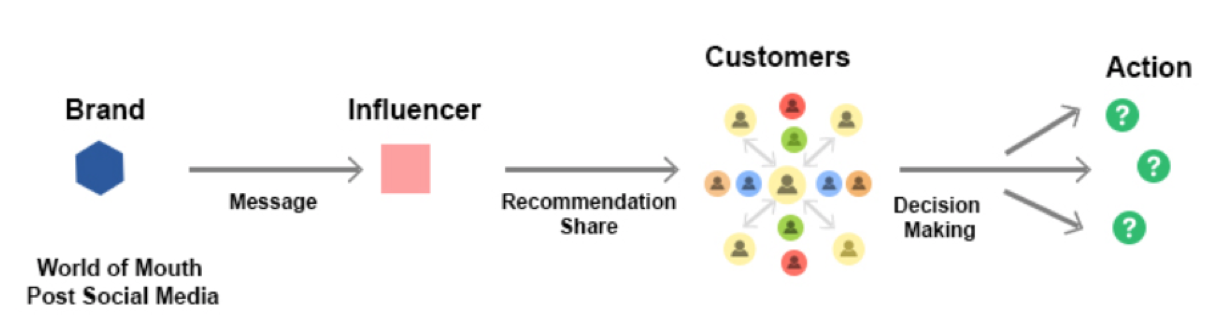 The first step is to identify your objective. Some brands are looking for brand awareness, while others seek engagement or traffic, and still others are hunting for direct sales. Once you have your goal set, you can select the right kind of influencer.
Choosing the right influencer isn’t all about followers. You have to consider the quality of their content, how they engage with their followers, and whether you are targeting the same customer. Sometimes a small but engaged audience is more powerful than a large but passive one.
Once you select which influencers you will work with, you craft a collaboration plan. It might be sponsored posts, product reviews, affiliate partnerships, giveaways, or co-created videos. The most effective campaigns are the ones that feel organic, meaning the influencer has leeway to share the message on their terms.
As soon as the content is live, analysis comes into play. You’ll want to monitor the number of people who encountered your content, how people interacted with it, and whether it helped achieve your campaign goal.
How to Successfully Implement Influencer Marketing
The most important thing you can do first to have the best chance of success is to establish a clear budget and decide what kind of influencers you want to reach. Research is crucial because it narrows down the influencers that align closely with your brand. Once you find them, contact them with a brief and professional message explaining what you want to achieve by collaborating.
Be clear about the deliverables before you start. This includes posting dates, number of posts, type of content, and tagging strategy. Once everything is understood, let the influencer create content in their own way. Their authenticity is the cornerstone of the campaign.
Once the campaign is off, monitor it and learn from what worked best. Use this knowledge for more targeted future campaigns.
Best Tools for Influencer Marketing
These tools make it easy to identify influencers, evaluate their audience quality and measure the results of your campaign. Influencer Hero is another strong option that combines influencer discovery, outreach automation, and campaign tracking in a single platform.
Upfluence
Upfluence – Upfluence allows brands to identify influencers on several social networks. It includes comprehensive analytics, influencer demographics and campaign tracking functionality. It is particularly handy for companies running evergreen influencer campaigns.
AspireIQ
AspireIQ is all about bridging long-term brand and creator relationships. It allows to search influencers, send collaboration offers or manage content approvals in just one dashboard. This has the potential to be a boon for brands working with many such creators at one time.
Heepsy
Heepsy is another great choice when it comes to finding Instagram, TikTok and YouTube influencers. It comes with filters according to location, niche, audience quality and engagement rates. Small and midsize enterprises are the biggest beneficiaries since it is easy to use and inexpensive.
BuzzSumo
BuzzSumo is most famous for content research, but it can also help you identify influencers in your industry. You can explore trending topics and even see which creators are seeing high engagement in your niche.
HypeAuditor
HypeAuditor is popular among the community for identifying fake followers and measuring the authenticity of influencers. It offers clarity and keeps brands from spending money on influencers with cooked numbers.
CreatorIQ
CreatorIQ is an enterprise product used by major brands. It provides powerful analytics, individual influencer profiles and professional campaign tracking.
Benefits of Successful Influencer Marketing
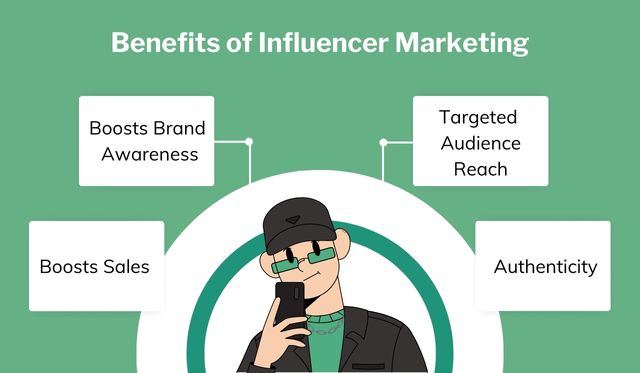
A good marketing plan elevates brand visibility and establishes trust. It enables brands to reach targeted audiences in a more personal and immersive manner. Influencer collaborations also help expand social media presence and can be more effective at sending traffic to your site and converting that traffic into sales than other routes.
Common Mistakes to Avoid
Many brands select influencers just because they have a lot of followers, which is a typical misstep. Always verify engagement rates and audience authenticity. Lack of communication is another issue. Clear guidelines help brands and influencers generate content that makes an actual impact.
Ignoring data is another mistake. You can’t measure whether the campaign worked without keeping track of performance.
Tips to Grow as an Influencer
If you are trying to grow as a creator, consistency is key. Regular posting, community building, and finding your niche are crucial to building a successful following. Collaborating with other creators also helps you grow faster. Monitoring analytics allows you to see which content is most popular.
The Future of Influencer Marketing
We’ll see more micro and nano influencers in the future, as they often generate more genuine engagement. AI influencers are also emerging, changing how brands collaborate online. Another growing trend is long-term brand partnerships rather than one-time posts, which builds more trust and better storytelling.
For brands, user-generated content will remain one of the strongest assets. It feels real, relatable, and trustworthy.
Conclusion
Influencer marketing is a powerful strategy. It helps brands connect with people in a more authentic and engaging way. It can greatly improve campaign performance if done correctly. Whether you are a brand looking to expand or an influencer seeking to grow your reach, this arena is full of opportunities.
Back to Small Business blogs